
Strategic Clarity Through Shared Ownership: A UNL Case Study
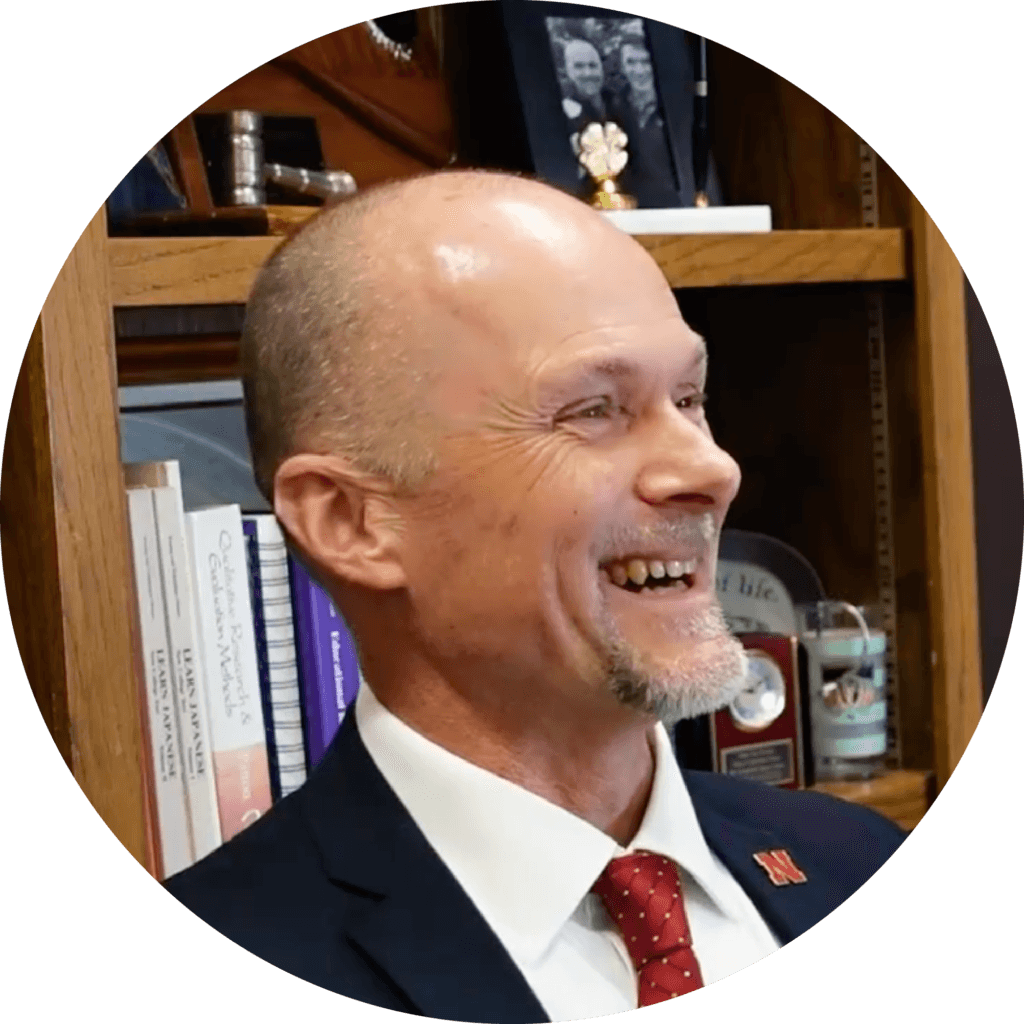
Without Leadership Resources, it would be very difficult for me to see where we would be because we wouldn’t have had the focus.
What We Did
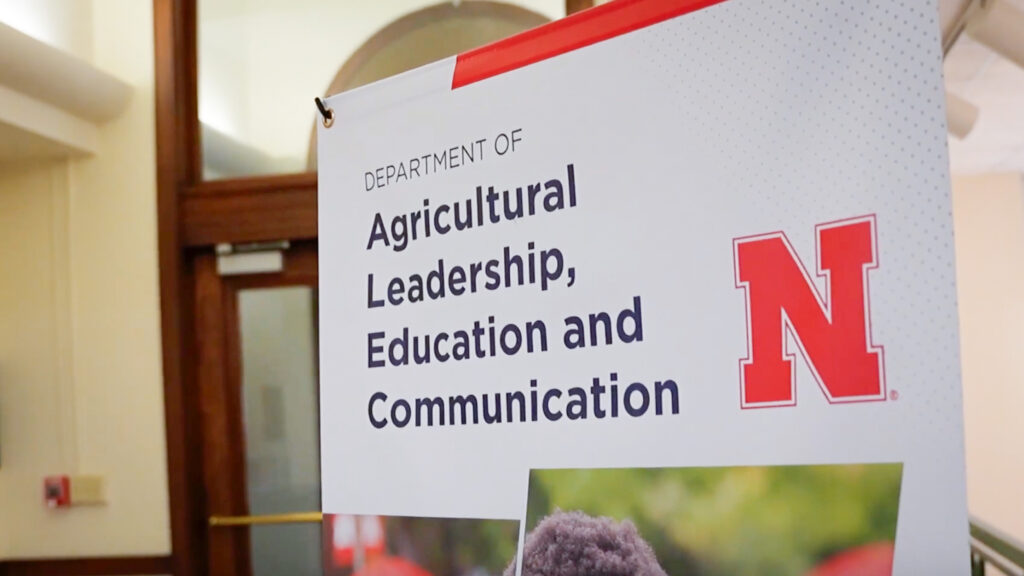
Partnered with the University of Nebraska–Lincoln’s Department of Agricultural Leadership Education and Communication (ALEC) to facilitate a comprehensive strategic planning process.
Met with ALEC department faculty to understand and document the department’s purpose, expectations, and stakeholder responsibilities.
Guided faculty and staff through the identification of shared vision, mission, core values, and strategic priorities.
Designed a strategic plan focused on clarity, accountability, and measurable progress rather than a one‑time exercise.
Provided ongoing strategic coaching to ensure alignment, follow‑through, and sustained momentum.
Key Outcomes
Clear strategic focus that aligned faculty and staff around the department’s most important priorities.
Strong ownership and accountability as team members helped define and now live out the department’s shared values and direction.
Improved effectiveness in serving Nebraska citizens and taxpayers through focused, mission‑driven programs.
Table of Contents
Background
Mark Balschweid stepped into his role as department head at the University of Nebraska–Lincoln and quickly recognized a critical gap in strategic alignment and accountability. After attempting to lead a strategic planning process on his own and seeing it fall short, he realized the value of engaging an external partner who could facilitate the work with objectivity, expertise, and depth.
The Department of Agricultural Leadership Education and Communication carries significant responsibility: serving the citizens and taxpayers of Nebraska through education, outreach, and leadership development. For Mark, it was essential that faculty and staff focused their collective energy on what mattered most and moved those priorities forward with accountability. In Mark’s words, “Without that, it felt like we were adrift.”
Mark had known of Leadership Resources since 2009 and turned to them as a long‑term partner for strategic planning and coaching. From the beginning, the approach stood out. Not as a box‑checking exercise, but as a meaningful process rooted in understanding the department’s unique context and challenges.
Challenges
Like many organizations, the department had experienced strategic planning that lived on paper but never influenced day-to-day decisions. Strategic plans often felt performative—created because they were required, then quickly forgotten.
Mark wanted something different. He needed a process that would: Create clarity around vision, mission, values, and priorities; Build genuine buy-in across faculty and staff; Establish accountability not just to leadership, but to one another and to the public they serve.
The challenge wasn’t a lack of commitment or competence. It was the absence of a shared framework that aligned people’s efforts and allowed them to measure progress. Without that clarity, it was difficult to articulate direction, maintain focus, or know when the department had truly arrived at its goals.
Results
Leadership Resources approached the partnership by first spending significant time collecting information, learning the operating context, and understanding expectations for the department. This groundwork ensured the strategic planning process was relevant, inclusive, and actionable.
Together, the department identified shared vision, mission, core values, and priorities. Because faculty and staff participated in defining them, ownership increased dramatically. These were no longer “Mark’s values” or leadership’s agenda.
“People recognize that these aren’t Mark Balschweid’s core values… these are the shared core values that I participated in identifying… now I’m accountable to myself and the group.”
They were shared commitments. As Mark noted, this shifted accountability inward: individuals became accountable to themselves and to the group for how they showed up, how they worked, and how they served others.
The result was clarity and commitment. The department could articulate where it was headed, how it would get there, and how success would be measured. Strategic priorities began guiding decisions rather than sitting idle. Focus replaced drift.
Most importantly, the department became more effective in fulfilling its mission to the people of Nebraska. Mark reflected that without Leadership Resources, the department would not be where it is today—and certainly not as successful in meeting the needs of citizens and taxpayers.
Through strategic clarity, shared ownership, and ongoing coaching, the department transformed strategic planning from an obligation into a living framework. One that continues to guide their work and amplify their impact.
"I could not be more proud of him. He’s just done such a good job of growing as a human being and as a leader. He’s come so far."
How One Introverted Contributor Transformed Into A Culture-Driving Leader (in Under 12 Months)
Sean Payant
President
"You put in communication, you put in training, you put in this intentional effort into your team—you could be flying a glider, but you just put an engine on your plane."
How Strategic Planning Drives Retention and Growth in Multi-Location Operations
Todd Tuls
CEO
"Leadership Resource's program has really allowed us to start thinking ahead of where we should be and not just where we're at today."
Strategic Alignment Through Growth and Generational Leadership Transition
Zach Settje
COO
"Being a leader that can actually make a difference, it's so much more than being able to do the job from a technical standpoint."
Leveraging the Integrated Approach: Strategic Planning, Leadership Development, and Data Insights
Dave Anderson
Chief Executive Officer